Two Recalls, 110,626 Mustangs: What Owners Actually Need to Know
Ford filed two separate safety recalls at the end of June 2026 that together cover 110,626 vehicles wearing the Mustang badge. One affects the gas-powered S650 Mustang and the Mustang GTD. The other affects rear-wheel-drive Mustang Mach-E crossovers from the 2021 through 2023 model years.
They are unrelated problems with unrelated fixes, and the coverage since has blurred them together in ways that have left owners confused about which one applies to them, or whether either does. Some outlets have described the Mustang recall as a transmission issue. It is not. That is a different Ford campaign covering trucks and SUVs, and it does not include the Mustang.
Here is what the federal filings actually say, what it means for your car, and what to do next.
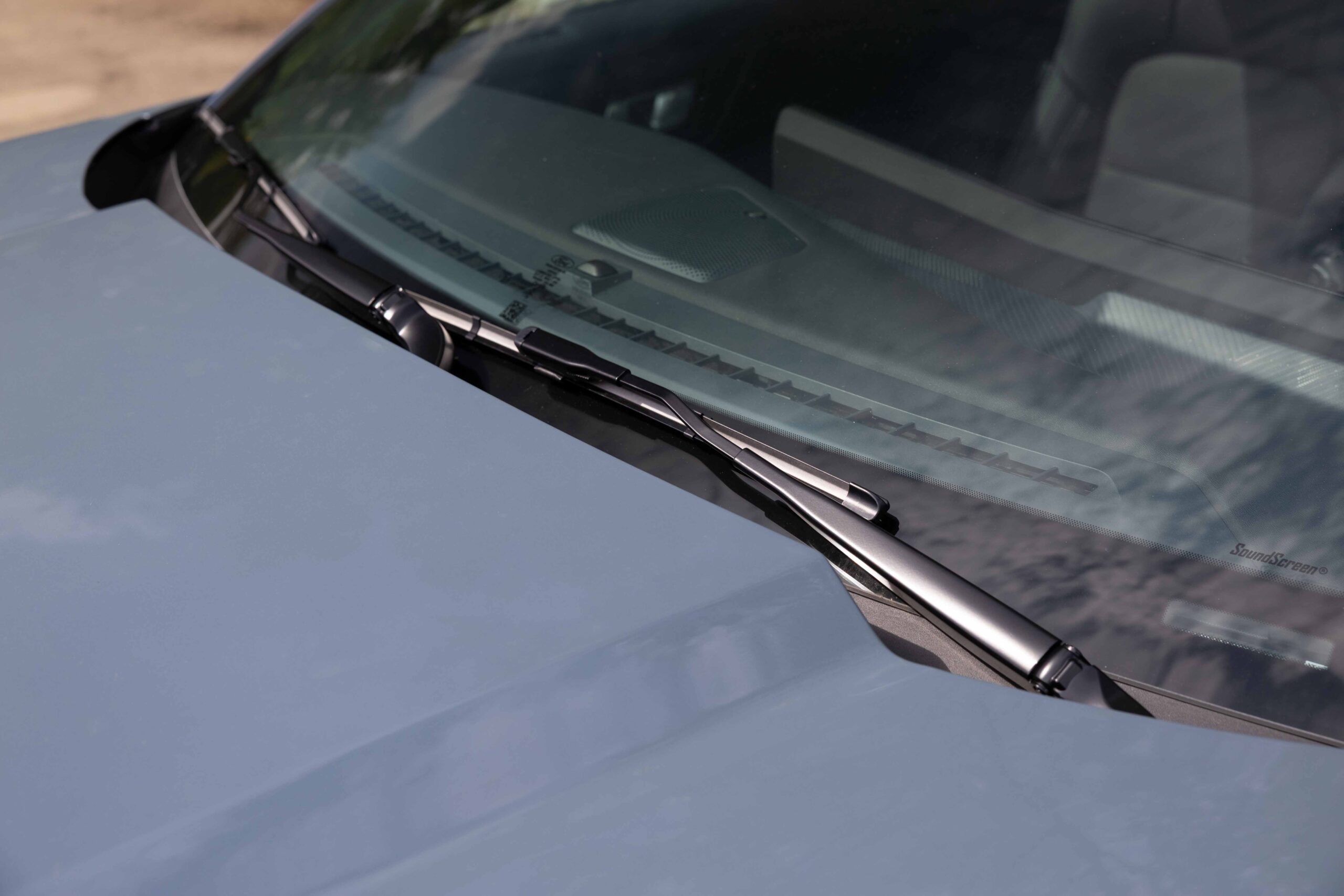
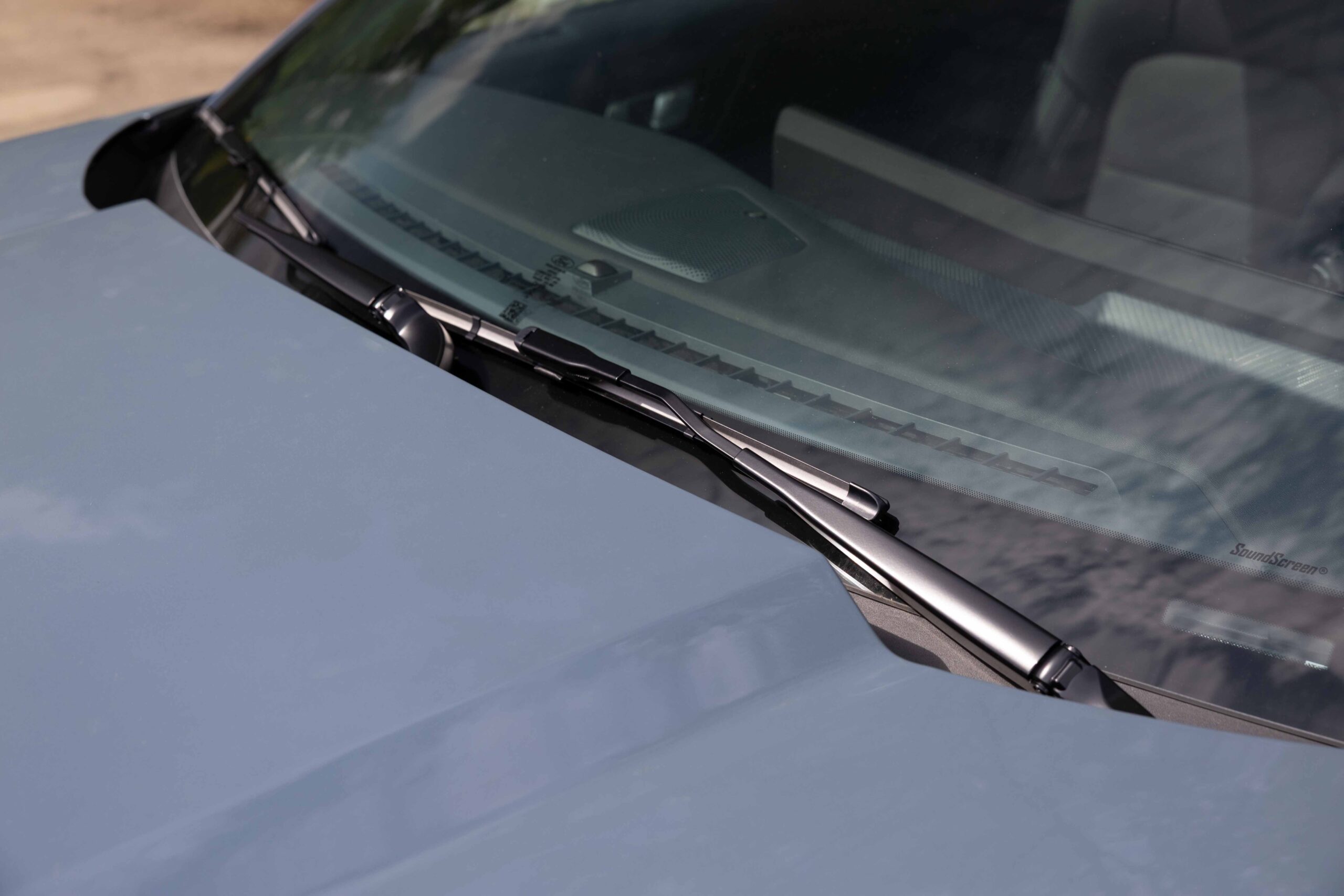
Recall one: wiper motors on the 2024 to 2026 Mustang and 2025 to 2026 GTD
NHTSA campaign number 26V418. Ford reference number 26C32.
This is the larger of the two actions, covering 67,842 vehicles. That breaks down to 67,553 Mustangs from the 2024 through 2026 model years and 289 Mustang GTD coupes from the 2025 and 2026 model years.
Build dates matter here. Affected Mustangs were built between September 18, 2024, and February 2, 2026. Affected GTDs were built between January 16, 2025 and February 2, 2026. Not every car in those model years is included, which is the single most important thing for owners to understand before they start worrying or, just as importantly, before they assume they are in the clear.
What the defect is
In temperatures at or below 0 degrees Celsius (32 degrees Fahrenheit), the windshield wiper motor may lose Local Interconnect Network communication with the steering column control module. LIN is a low-speed communication bus that lets small modules talk to each other without needing the bandwidth of a full CAN network. It is common, inexpensive, and does exactly one job well.
When that communication drops, the wiper motor defaults to its highest speed setting. The driver loses the ability to control wiper speed, and the windshield washer system may not function properly either.
The root cause traces back to the wiper motor’s printed circuit board assembly. A semiconductor chip on that board was programmed with an incorrect TRIM value at the supplier, and the cold-temperature behavior is a downstream consequence of that setting.
Why it is classified as a safety issue
Wipers stuck on high are an annoyance in a light rain. In the specific conditions where this defect appears, which is freezing weather, they are something else. Combine full-speed wipers you cannot slow down with a washer system that will not clear road salt and slush, and you have a visibility problem at exactly the moment visibility matters most. NHTSA classified it as a crash risk on that basis.

As of June 11, 2026, Ford was aware of 35 warranty claims potentially related to the condition. No crashes or injuries have been attributed to it.
The fix and the timeline
Dealers will inspect the wiper motor and replace it if it fails inspection. Replacement motors carry a semiconductor chip with a correctly configured TRIM value. There is no charge.
The important caveat is that the full remedy is not available yet. Ford notified dealers on July 2, 2026. Interim owner notification letters, which inform owners of the safety risk without providing the repair, went out between July 8 and July 15, 2026. Remedy letters, the ones that tell you the parts are in hand and you can schedule service, are scheduled to be mailed between March 29 and April 2, 2027.
That is a long gap, and it is worth being straightforward about why it matters. The defect only manifests in freezing conditions, and the remedy timeline lands right at the end of the 2026-2027 winter. Owners in cold-weather states need to pay attention, and they may go through a full winter before the permanent fix is available. If your wipers stick on high in the cold, that is the defect, and it is worth documenting the occurrence with your dealer even before the remedy arrives.
VINs for this campaign became searchable on NHTSA.gov on July 2, 2026.
What is not included
S197 and S550 Mustangs are not part of this action. Neither are earlier S650 cars built before September 18, 2024. If you own multiple Mustangs across generations, and plenty of people reading this do, check each VIN individually rather than assuming the recall applies to the whole garage or none of it.
Recall two: rear differential pinion shaft on the 2021 to 2023 Mach-E
NHTSA campaign number 26V417. Ford reference number 26S50.
This covers 42,784 Mustang Mach-E vehicles from the 2021 through 2023 model years and applies only to rear-wheel-drive configurations. All-wheel-drive Mach-Es are not affected.
What the defect is
The rear differential pinion shaft may fracture due to bending fatigue. If it does, the driver may experience a loss of motive power or unintended vehicle movement when Park is requested if the electronic parking brake is not applied.
The affected component is the Primary Drive Unit assembly, part number LJ9P-7P500-A, supplied by BorgWarner from San Luis Potosí, Mexico. The recalled part entered production on February 27, 2021, and was discontinued on August 21, 2025.
Ford’s investigation opened on March 17, 2026, after a teardown of a rear differential recovered from a 2023 Mach-E in Europe found a failed pinion shaft. Metallurgical analysis identified bending fatigue as the failure mode. The underlying cause of that fatigue was still under investigation at the time of filing, which is unusual and worth noting. Ford filed the recall before it had a complete answer rather than waiting for one.
As of June 11, 2026, Ford was aware of 62 warranty claims, 14 global common quality indicator system reports, 4 customer contact center reports, and 2 European white alerts related to the issue.
Warning signs to watch for
Unlike the wiper recall, this one has diagnostic precursors. Drivers may see a Malfunction Indicator Light on the instrument panel, and the vehicle may store diagnostic trouble codes P174E, P0A2F, P019C, or P27B2. If your Mach-E throws a MIL and you are in the affected population, that is a reason to call your dealer rather than wait.
The fix and the timeline
Dealers will repair or replace the rear differential assembly at no charge. Replacement assemblies use a pinion shaft built to resist bending fatigue. This is an in-person dealer repair, not an over-the-air software update.
Ford notified dealers on July 1, 2026. Interim owner letters were mailed between July 13 and July 17, 2026. Remedy notification letters are scheduled for December 28 through 31, 2026, when affected VINs also become searchable through NHTSA.
Until the repair is completed, the practical guidance is simple: set the electronic parking brake every time you park. That single habit addresses the rollaway half of the risk while you wait.
One note on paperwork. Some owners checking their Ford account have seen the campaign listed as 26S50 paired with 26V415 rather than 26V417. If you see that, it is the same recall. Go by the Ford reference number 26S50.
How to check whether your vehicle is affected
Do not go by model year alone. Both campaigns are defined by build date ranges and, in the Mach-E case, drivetrain configuration. The only reliable answer comes from your VIN.
Find your VIN. It is a 17-character sequence visible through the lower driver’s side of the windshield, and it also appears on your registration and insurance cards.
Check it through one of these:
- NHTSA’s recall lookup at NHTSA.gov/recalls
- The Ford Owner support portal or the FordPass app, under recalls
- Any Ford or Lincoln dealer service department
Phone numbers if you need them:
- Ford customer service: 1-866-436-7332
- NHTSA Vehicle Safety Hotline: 1-888-327-4236, TTY 1-800-424-9153
Recall repairs are always free, regardless of warranty status or how many owners the car has had. If you already paid out of pocket for a repair that turns out to be covered by a recall, ask your dealer about reimbursement.
The wider context
Ford has issued a high number of recalls in 2026, more than any other automaker, and the company has consistently characterized that count as the result of a deliberately proactive approach to catching quality issues early rather than letting them accumulate into larger problems. The Mach-E filing is a reasonable illustration of that: Ford reported the defect while the root cause analysis was still open, based on a single failed component recovered in Europe.
It is also worth noting alongside this that Ford ranked as the top mainstream brand in J.D. Power’s 2026 U.S. Initial Quality Study, an award announced days before these filings. Both things are true at once, and the tension between them says more about how modern recall practice works than it does about any one vehicle.
For owners, none of that changes the practical steps. Check the VIN. Read the letter when it arrives. Set the parking brake if you drive a rear-wheel-drive Mach-E. And if you are in a cold-weather state driving a recent S650, keep an eye on your wipers this winter and document anything you notice.
We will update this article as remedy availability firms up for both campaigns.